The Top 10 Things To Know Before Kenya & Tanzania Safari
EscapeWithAnnualLeave contains affiliate links. We may receive compensation at no extra cost to you. See our Disclosure Policy for more information.
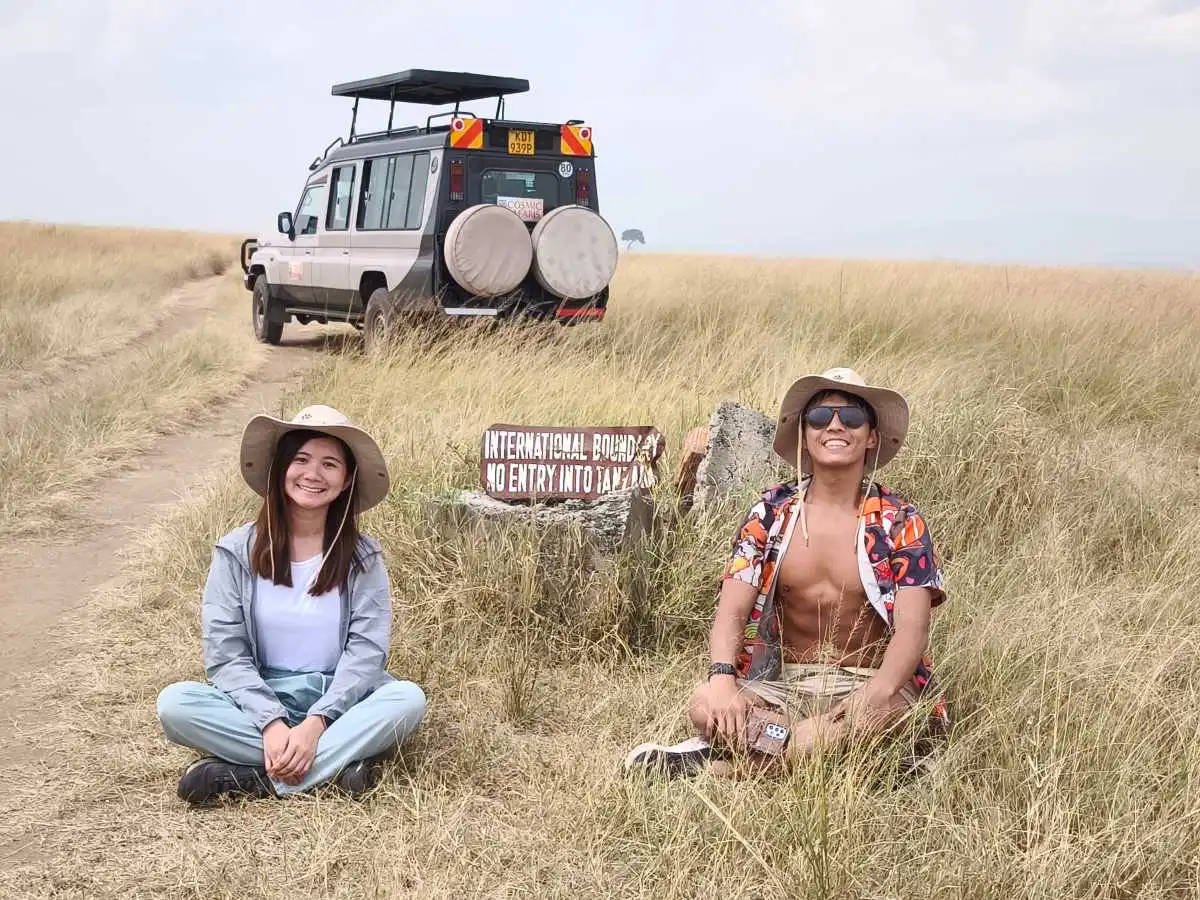
This is to highlight the top 10 things you need to know before a Kenya & Tanzania Safari. I had a wonderful 2-week vacation in Kenya and Tanzania, blending urban exploration with epic wildlife adventures. Other than the first and last couple of days dedicated to transit and city center visits, my main journey was an 11-day Kenya-Tanzania safari tour covering iconic spots like the Masai Mara, Lake Nakuru, Lake Naivasha, Amboseli, Serengeti, and Ngorongoro Crater. A great, high-cost-versus-value, and easy-to-plan itinerary for all the first timers.
If you’re gearing up for a similar trip, these are the top 10 things to know before Kenya & Tanzania safari that I wish I’d known—or felt lucky I did—before heading out. From budget tips to practical surprises, this guide draws from my firsthand experiences to make your planning smoother. More importantly, it helps you to filter the very confusing information that you would face on the internet.
1. Safari in Kenya & Tanzania is Very Affordable
One of the biggest myths I encountered while researching was the high cost of safaris. Many sites claim you’ll need around $200 per day for a budget safari tour, $400 for mid-range, and over $600 for luxury. But based on my experience, that’s overstated—especially if you’re smart about booking.
For my 11-day all-inclusive Kenya Tanzania safari tour, which included game drives, accommodations, meals, and even transit from Arusha back to Nairobi, I paid just under $1,500 per person. I skipped platforms like Viator or GetYourGuide and contacted the tour operator directly via email after spotting their details on review sites. This cut out middleman fees and got me a personalized deal. If you prefer OTAs, watch for seasonal discounts or credit card rebates—I saw offers knocking 10-20% off during off-peak times. In case you are sticking to reputable platforms like Viator & GYG, the extra cost would probably only be ~ 15% compared to booking directly through the operators.
If you are having a short trip, i.e., to Kenya instead of 2 2-week vacation as I did. The packages on Viator / GYG for short trips are also very affordable. Since most of the trips already cover accommodation and food, there is literally no other expense required.
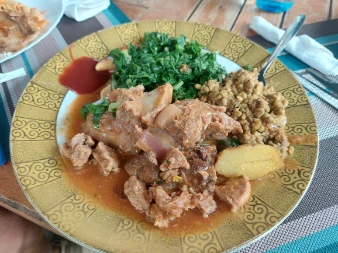
My entire 2-week trip, including international flights (from Hong Kong), the safari, all meals, souvenirs, and even an extra camera lens I bought for wildlife photography, totaled less than $3,000. That’s incredible value and costs a lot less than most people believe, like the trip I had in Egypt and the Maldives. During the 2 weeks, I bought a lot of souvenirs, had great buffets (more than sufficient), and wonderful experiences in safaris and the city center.
🐘🐃🦓🐆🦒🦏 Recommended African Safari Package
Tanzania 🇹🇿 :
✅ Same Day – Safari trip from Arusha to Ngorongoro Crater
✅3 Days 2 Nights – Safari trip including Serengeti & Ngorongoro
Kenya 🇰🇪 :
✅ Same Day – Safari trip from Nairobi:
Masai Mara / Lake Nakuru + Naivasha / Amboseli / Nairobi National Park
✅ 3 Days 2 Nights – Masai Mara Safari trip from Nairobi:
✅ 7 Days 6 Nights – Kenya Safari trip including Masai Mara, Lake Naivasha, Lake Nakuru, and Amboseli from Nairobi:
✅ 11 Days 10 Nights – Kenya & Tanzania Safari trip including Masai Mara, Lake Naivasha, Lake Nakuru, and Amboseli from Nairobi in Kenya; Serengeti & Ngorongoro in Tanzania with departure back to Nairobi:
✅ There are also other packages online (GetYourGuide / Viator) !

More About East African Safaris
There are multiple safari packages available on reputable travel agency platforms like Viator and GetYourGuide. The duration could be a day trip to 2 weeks, starting from 200 USD or so, and all inclusive. If you want a further discount, you can even contact the local tour operator directly.
2. You Should Consider Buying a Professional Lens
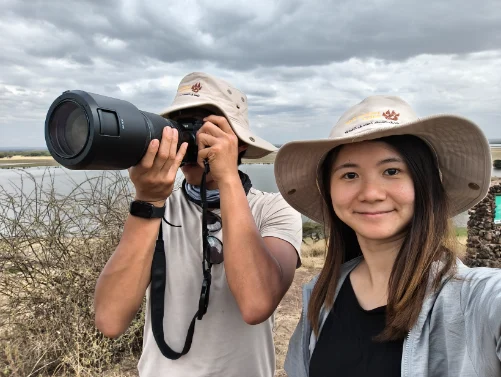
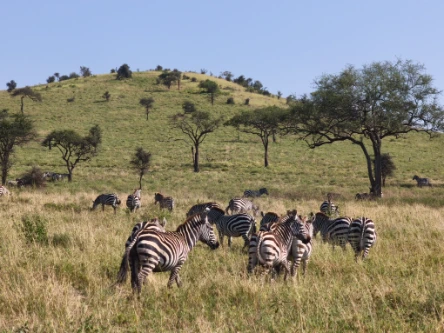
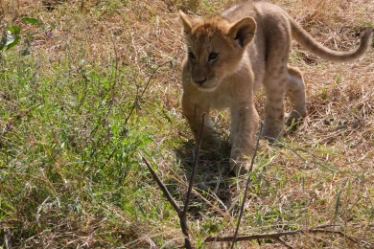
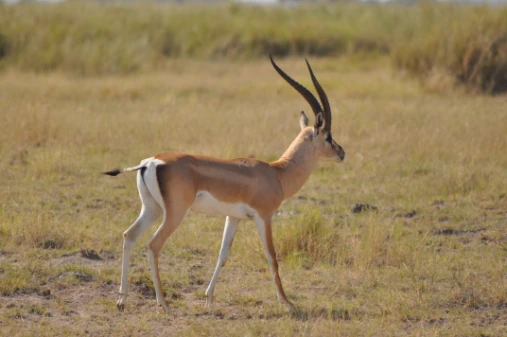
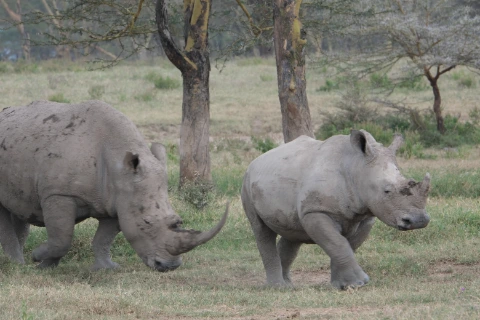
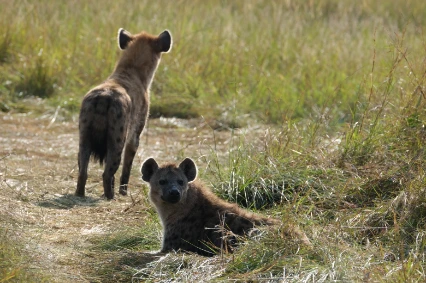
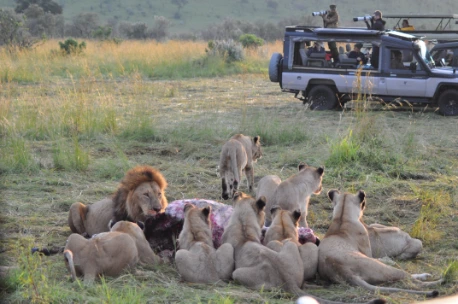
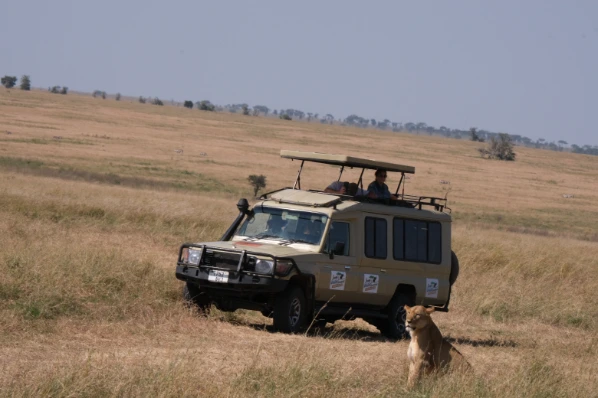
I’m not a pro photographer—most shots on my blog come from a mid-range phone like my Samsung A52. But safaris are different; animals often stay at a distance, and you don’t want blurry memories of lions or elephants.
Before my trip, I invested in a 100-400mm lens (effectively up to 600mm with crop factor) and borrowed a DSLR from a friend. It made a huge difference during game drives in the Masai Mara and Amboseli, capturing details like a lion eating a buffalo or hunting. It is also great for capturing birds during safaris like Lake Nakuru and Lake Naivasha.
If you’re on a budget, consider renting gear from sites like eBay. For Kenya Tanzania safari photography tips, focus on telephoto lenses for wildlife—anything under 200mm might leave you frustrated. Trust me, clear photos of the Big Five will make your trip unforgettable.
3. Tipping is Voluntary
Tipping etiquette can be confusing, with online forums suggesting $5-20 per day per person for guides, drivers, or chefs. During my Kenya Tanzania safari tour, I found it far more relaxed—no pressure or hints from the team.
In Kenya, over 6 days and 5 nights, my partner and I tipped $100 total voluntarily, based on our satisfaction with the driver’s wildlife spotting skills. In Tanzania, for 5 days and 4 nights, we gave $50 to the guide because we didn’t see along in Serengeti and Ngorongoro. Some group members skipped tipping entirely if unhappy with aspects like pacing, and it was fine—no awkwardness.
4. The Food & Beverage Exceed Your Expectations for “Budget Tour.”

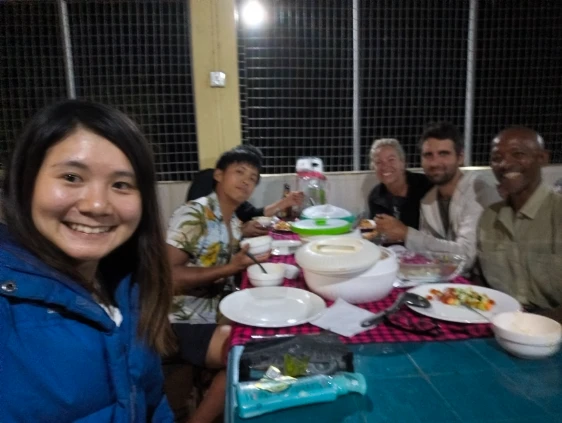
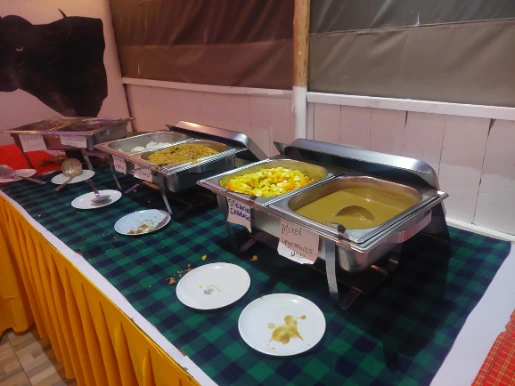
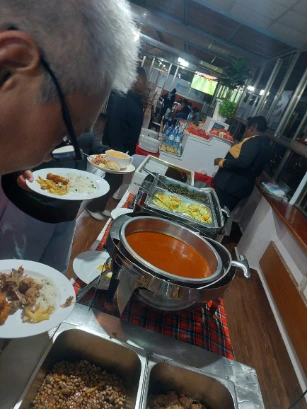
I overprepared, packing 20+ protein cookies, fearing bland “budget” meals in campsites. Spoiler: It was unnecessary—the food on my Kenya Tanzania safari tour was hearty, varied, and delicious.
For food in Kenya, at places like Manyatta Camp in Masai Mara and Buraha Zenoni Hotel near Lake Nakuru, buffets featured local staples like ugali (maize porridge), nyama choma (grilled meat), chapati, and fresh fruits, plus Western options like eggs and sandwiches. Packed lunches for full-day drives included chicken, yogurt, juice, and chips—plenty to fuel long hours.
Tanzania stepped it up with a dedicated chef during the safaris and at camp, like Simba Campsite near Ngorongoro, cooking fresh meals like lamb stews and vegetable curries. Drinks were basic but abundant: tea, coffee, water, and occasional soft drinks. No need for upgrades; even the budget Kenya safari meals surprised me positively.
5. You Don’t Need to Worry About Electricity
I anticipated power issues, needing to charge my laptop, phone, and camera daily. But electricity on the safari was reliable and accessible.
Every jeep in both Kenya and Tanzania had UK-standard chargers—perfect for topping up during drives. Kenyan campsites like Nyati in Amboseli offered near-full-day electricity, while Tanzanian wild camps like Nyani provided a 24-hour supply in dining halls. Even in remote spots, generators ensured the basics.
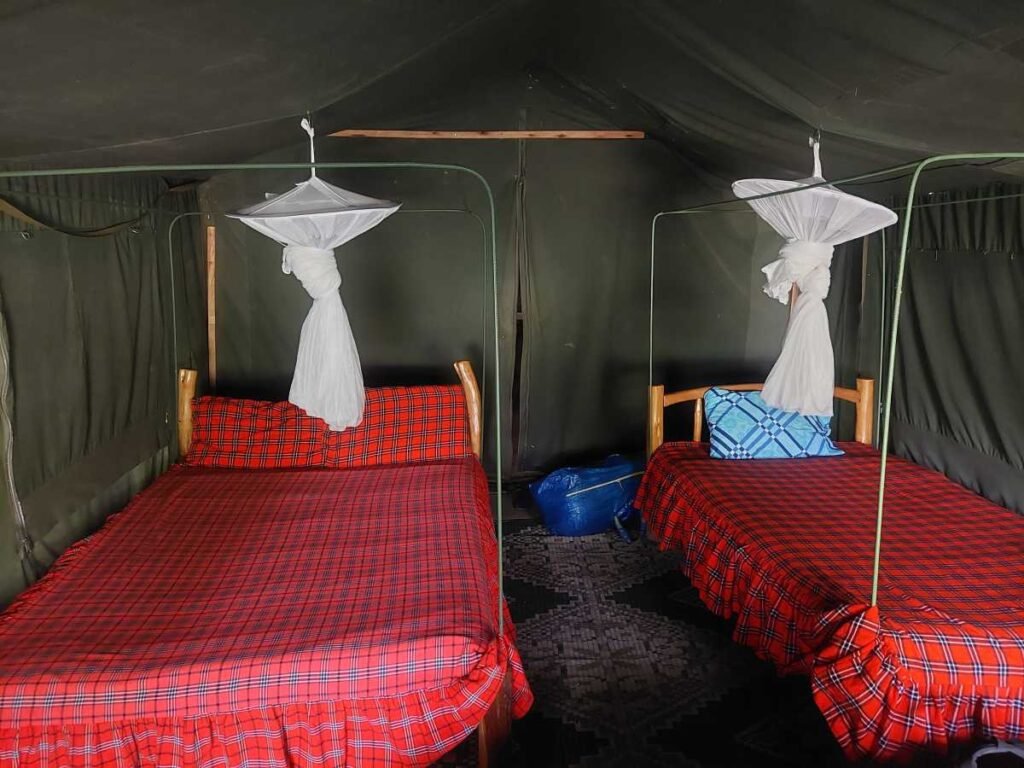
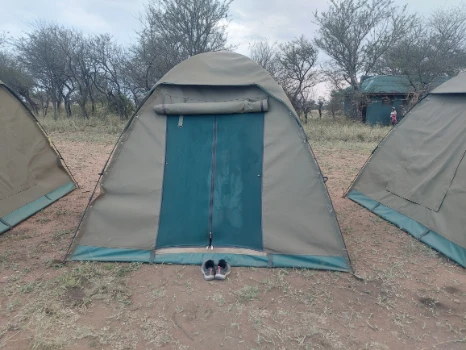
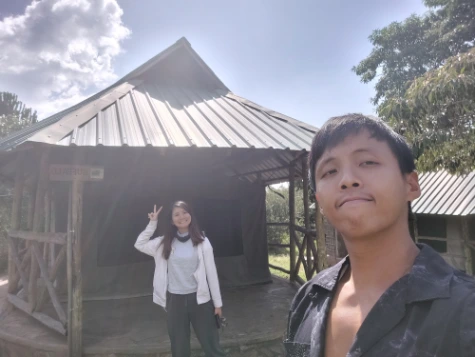
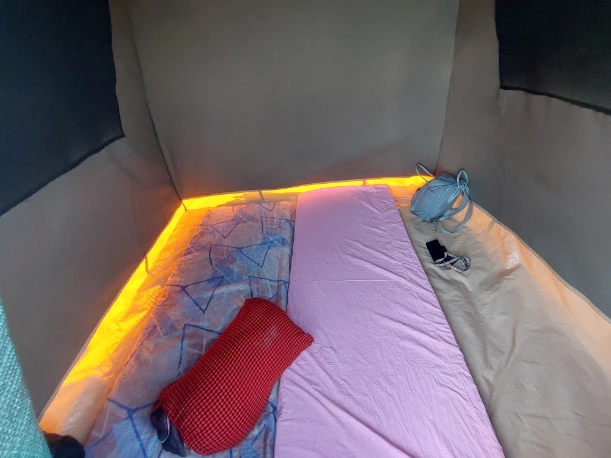
Campsites sounded basic, but they were comfortable surprises. In Kenya, “camps” like Manyatta in Masai Mara were large tented houses with double beds, mosquito nets, private bathrooms, WiFi, and electricity—more like glamping than roughing it.
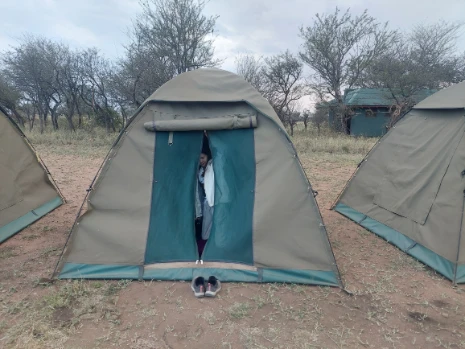
Tanzania’s Nyani and Simba campsites near Serengeti and Ngorongoro offered big tents for two with luggage space, plus facilities like dining halls, 24-hour wifi, and chargers. The only drawback is that hot water depends on luck, and you need light in your tent. But it was a great wild camping experience.
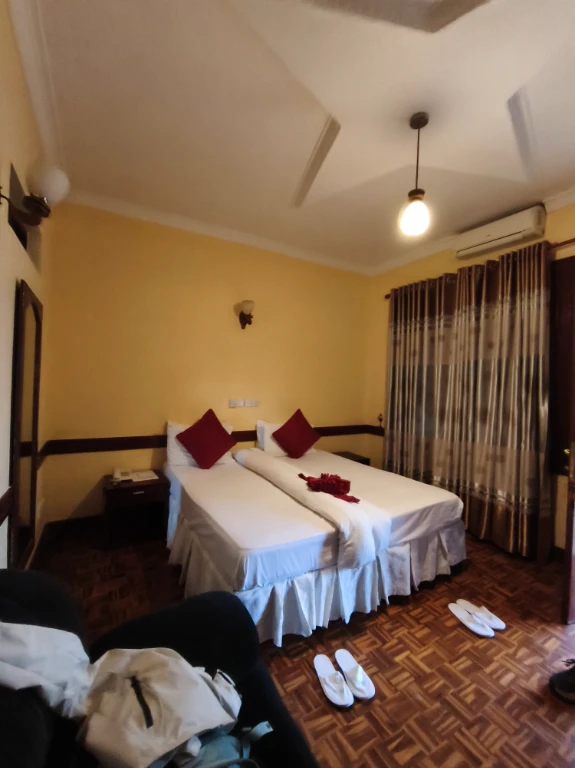
In other camps, you also get a couple of days staying in a hotel during the journey.
🐘🐃🦓🐆🦒🦏 Recommended African Safari Package
Tanzania 🇹🇿 :
✅ Same Day – Safari trip from Arusha to Ngorongoro Crater
✅3 Days 2 Nights – Safari trip including Serengeti & Ngorongoro
Kenya 🇰🇪 :
✅ Same Day – Safari trip from Nairobi:
Masai Mara / Lake Nakuru + Naivasha / Amboseli / Nairobi National Park
✅ 3 Days 2 Nights – Masai Mara Safari trip from Nairobi:
✅ 7 Days 6 Nights – Kenya Safari trip including Masai Mara, Lake Naivasha, Lake Nakuru, and Amboseli from Nairobi:
✅ 11 Days 10 Nights – Kenya & Tanzania Safari trip including Masai Mara, Lake Naivasha, Lake Nakuru, and Amboseli from Nairobi in Kenya; Serengeti & Ngorongoro in Tanzania with departure back to Nairobi:
✅ There are also other packages online (GetYourGuide / Viator) !
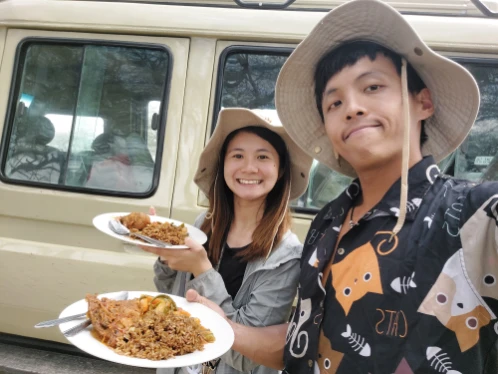
Comfortable Accommodations and Great Food
In budget tour, you will be living in big tent house (Kenya), hotel and big wild tent (Tanzania). The accommodation is very comfortable. For food you have great buffet in Kenya and great freshly cooked local food in Tanzania.
7. Kenya is More Developed Than Tanzania
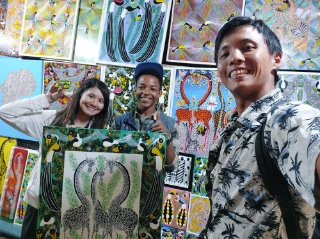
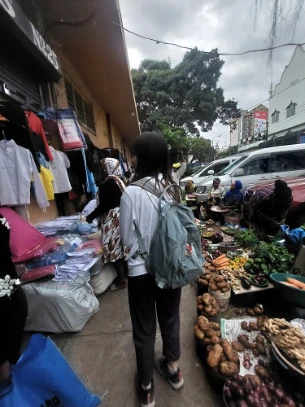
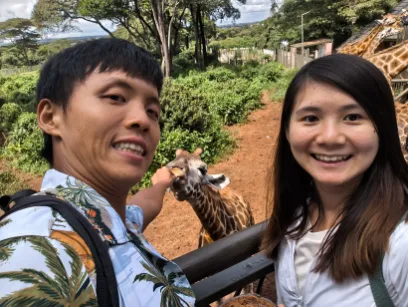
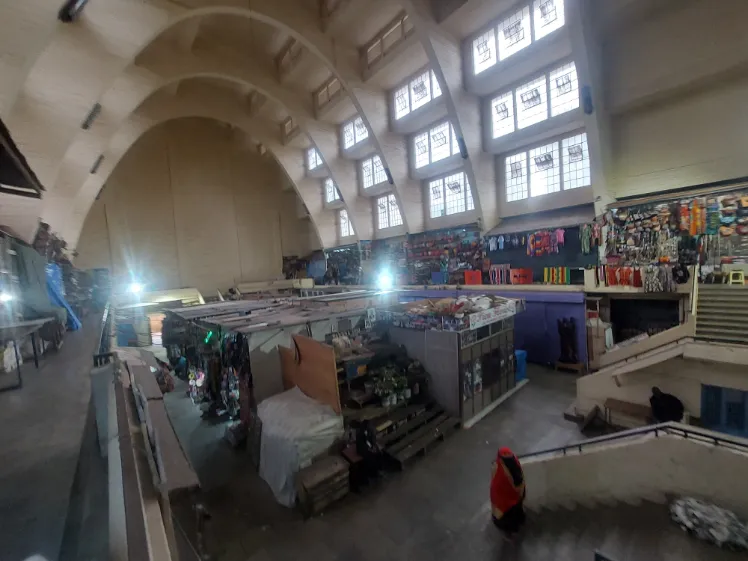
From infrastructure to vibes, Kenya felt more developed. Per World Bank data (as of 2025), Kenya’s GDP per capita is around $2,200, versus Tanzania’s $1,200, reflecting better roads, airports, and urban amenities.
Nairobi’s Jomo Kenyatta Airport is a major hub with more international flights, making it easier for short trips. While for Arusha in Tanzania, you will need an extra connecting flight.
If you have just a week, focus on short safari trips in Kenya like the Masai Mara, Amboseli, and Lake Nakuru. Tanzania shines for raw wilderness like the Serengeti, but for first-time East Africa visitors, I would recommend adding that, unless you have 2 weeks in total for both Countries.
8. Local Currency is Not Required
I exchanged minimal Kenyan Shillings (KES) and Tanzanian Shillings (TZS)—turns out, it wasn’t needed. Most Kenyan museums require cards, while Tanzanian Museums in Arusha accept USD / EUR in cash.
Souvenir shops, restaurants, and tips accept USD or EUR, with a slight 2% markup—worth it for convenience. ATMs are sparse in remote areas, so carry small USD bills. This simplified my budget safari in Kenya and Tanzania.
9. The Best Time Could Be Late June


The migration of animals happens throughout the year. The climax of the great migration (river crossing) could happen anytime from early July to mid-August each year. For annual-leave takers like us, we would not have the luxury to be in the Masai Mara for a month to catch the moment. So it is purely luck.
If so, late June to early July would be the best time for your vacation to avoid extra cost and crowds during the peak season.
10. Planning Your Kenya Tanzania Itinerary is Easy
Unlike tailor-made trips in Asia, my Kenya Tanzania safari was straightforward: A Self-guided Nairobi day, then an 11-day organized tour (with an Arusha visit during border crossing), then back to Nairobi for departure.
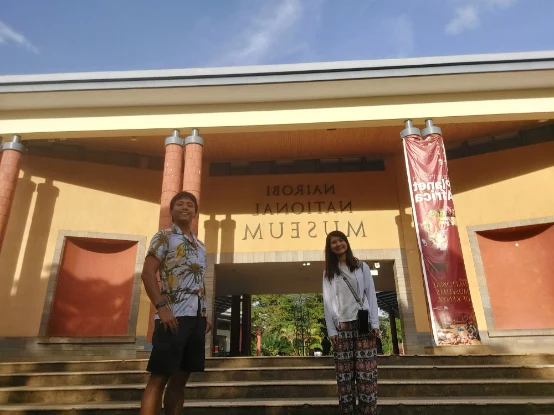
I used Uber in Nairobi for spots like Giraffe Centre and National Museum—reliable and affordable. In Arusha, Bolt worked great for markets and eateries. As for safety, both cities are generally safe; Nairobi could be a bit chaotic after dawn. However, compared to Cape Town or Addis Ababa, these were milder.
Wish You a Wonderful Safari Adventure!
A safari trip to Kenya and Tanzania is an amazing adventure that’s surprisingly easy to plan, blending thrilling wildlife encounters with cultural gems—all without breaking the bank. From spotting the Big Five in the Masai Mara to witnessing mini-migrations in the Ngorongoro Crater, the experiences will stay with you forever. With affordable options, reliable logistics, and unexpected comforts, it’s accessible for first-timers or seasoned travelers. Don’t overthink it—book that tour, pack light, and get ready for the trip of a lifetime.
I hope these top 10 things to know before Kenya & Tanzania safari are useful to you.
🐘🐃🦓🐆🦒🦏 Recommended African Safari Package
Tanzania 🇹🇿 :
✅ Same Day – Safari trip from Arusha to Ngorongoro Crater
✅3 Days 2 Nights – Safari trip including Serengeti & Ngorongoro
Kenya 🇰🇪 :
✅ Same Day – Safari trip from Nairobi:
Masai Mara / Lake Nakuru + Naivasha / Amboseli / Nairobi National Park
✅ 3 Days 2 Nights – Masai Mara Safari trip from Nairobi:
✅ 7 Days 6 Nights – Kenya Safari trip including Masai Mara, Lake Naivasha, Lake Nakuru, and Amboseli from Nairobi:
✅ 11 Days 10 Nights – Kenya & Tanzania Safari trip including Masai Mara, Lake Naivasha, Lake Nakuru, and Amboseli from Nairobi in Kenya; Serengeti & Ngorongoro in Tanzania with departure back to Nairobi:
✅ There are also other packages online (GetYourGuide / Viator) !
Budget Safari Is Best Value
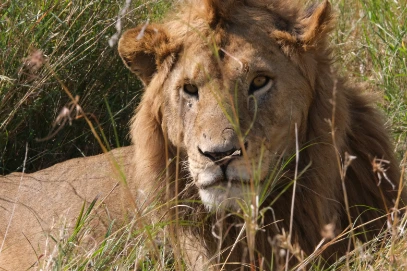
I planned my 2-week East African Safari vacation with a 2 day DIY city center visit and a 11 day budget tour package covering the main safaris in both Kenya and Tanzania. It was inexpensive and the experience was impressive and inspiring. Highly recommend you to follow the same !
Frequently Asked Questions (FAQ)
What is the best time for a Kenya-Tanzania safari tour? The dry season (June-October) is ideal for wildlife viewing, with animals gathering at water sources. July offers cool, dry weather perfect for game drives.
How much does a budget safari in Kenya cost?
Around $1,500 for an 11-day all-inclusive tour if booked directly—far less than the $200+ per day often quoted online.
Do I need vaccinations for things to know before the Kenya & Tanzania safari?
Yes, yellow fever is required.
Is WiFi available during affordable Kenya safaris?
Most campsites and hotels offer it.
What should I pack for a Kenya-Tanzania safari itinerary?
Layers for variable weather, binoculars, sunscreen, and a telephoto lens for photography—electricity is reliable for charging.
Are visas needed for Kenya and Tanzania?
Yes, for most Countries.
Can I see the Big Five on budget safaris in Kenya and Tanzania?
Yes, spots like Ngorongoro Crater and the Masai Mara offer great chances, especially with experienced guides. But it also depends on luck.
How safe are city visits in Nairobi and Arusha?
Generally safe during the day with ride-hailing apps; avoid nights alone and stay vigilant.
What food to expect on Kenya Tanzania safari tours?
Buffets with local meats, veggies, and fruits—abundant and better than expected for budget options.
Is tipping mandatory on safaris?
No, it’s voluntary—based on service quality, around $5-10 per day if satisfied.
