
Széchenyi Thermal Bath Review: Is It Worth It?
EscapeWithAnnualLeave contains affiliate links. We may receive compensation at no extra cost to you. See our Disclosure Policy for more information.
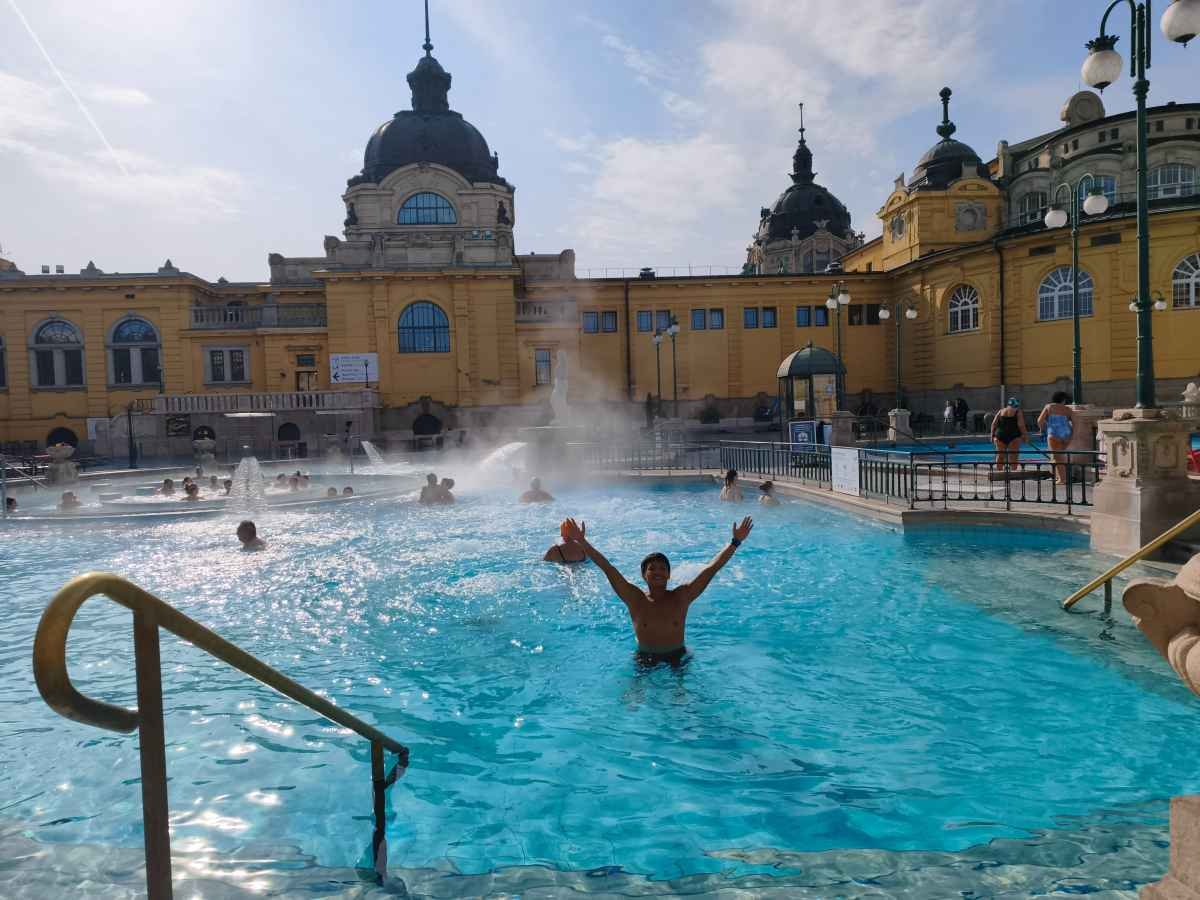
This is a blog post for “Széchenyi Thermal Bath review”. Széchenyi was the very first icon I visited in Budapest right after I landed in the morning. By far, it stands out as one of the best experiences I have had in all the 80+ countries I have visited around the world.
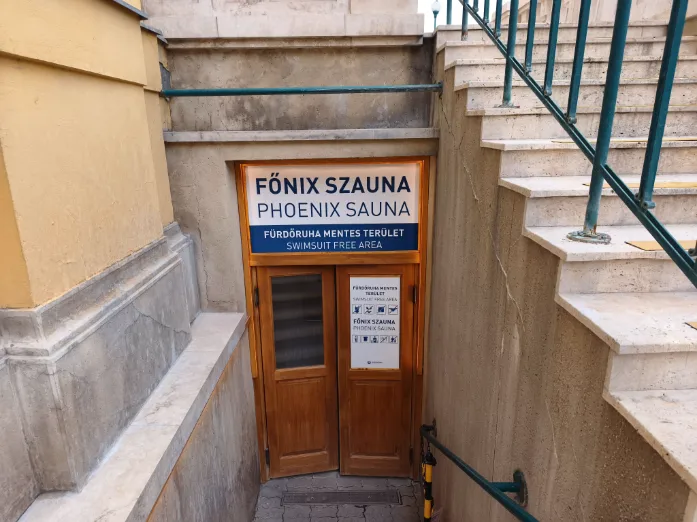
It has the most magnificent exterior of any thermal bath I have ever seen. I enjoyed not only soaking in the steaming outdoor pool surrounded by grand, Roman-inspired Neo-Baroque architecture, but also bouncing between over 10 varieties of saunas and a couple of cold plunge and ice-bath options indoor.
You can find castles, bridges, and markets almost anywhere in the world, but a classic thermal bath of this sheer scale and architectural beauty is truly one of a kind—I highly recommend putting it at the top of your Budapest itinerary.
Online Package Is Usually Cheaper GTG / Viator ✅
The Most Unique Icon In The World
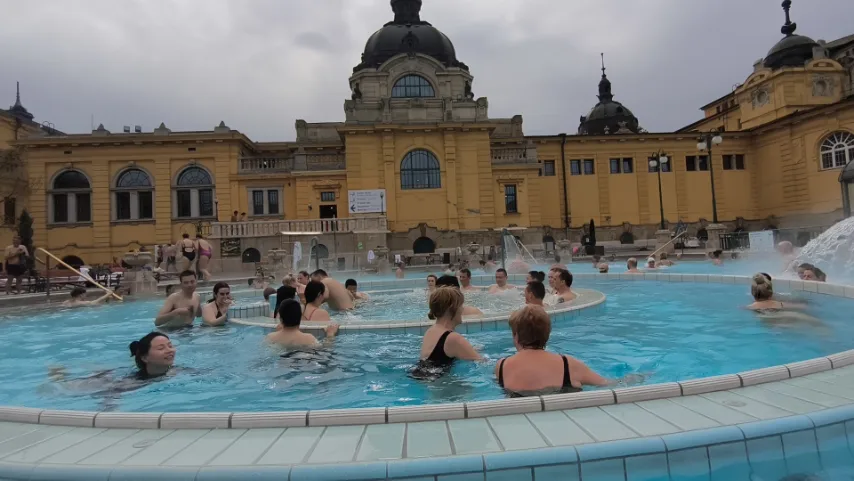
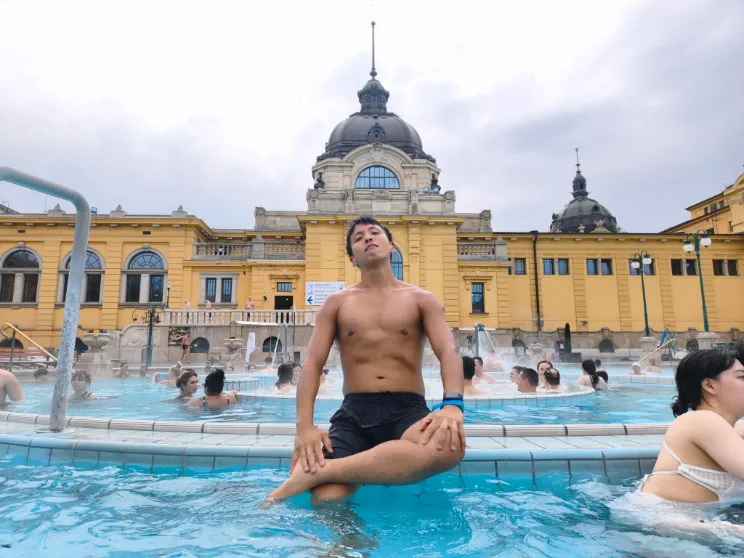
Szechenyi is one of the most unique icons in the world. It is very rare (and also enjoyable) that you can have outdoor thermal bath surrounded by historical buildings like this. Let alone the other over 20 pool / sauna options.
Why Should I Go To Széchenyi?
Because it is genuinely one of the most unique landmarks in the world. Many cities have modern spas or historic ruins, but few let you float in naturally heated mineral water inside a palatial yellow courtyard right in the middle of a major European capital. Again that’s just amazing !
Looking at its background, Széchenyi Thermal Bath opened in 1913 in Budapest’s City Park (Városliget) after being designed by Győző Czigler in a grand Neo-Baroque style, and its famous outdoor pool complex was added in 1927. Its waters are fed by two deep thermal springs—one reaching 74°C and a deeper 1,256-meter well reaching 77°C—naturally rich in sulfate, calcium, magnesium, and bicarbonate.
In short, you can relax and take photos in a gorgeous outdoor thermal pool surrounded by palace-like yellow facades that almost remind me of the colorful, storybook tones of Pena Palace in Sintra.
That visual contrast—steaming mineral water against bright ochre walls and arched colonnades—is what makes the experience unforgettable. I believe you too traveling around the world for unique experience, and this is the one to go.
The Facilities Are Very Comprehensive!
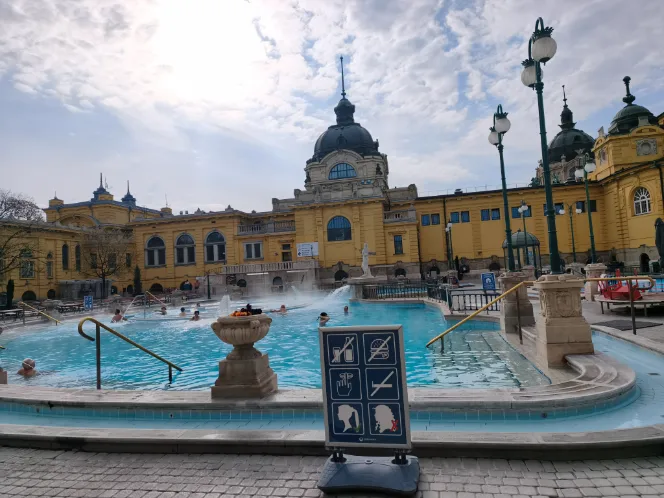
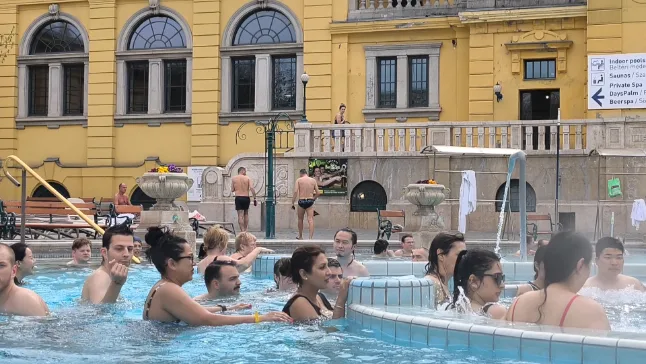
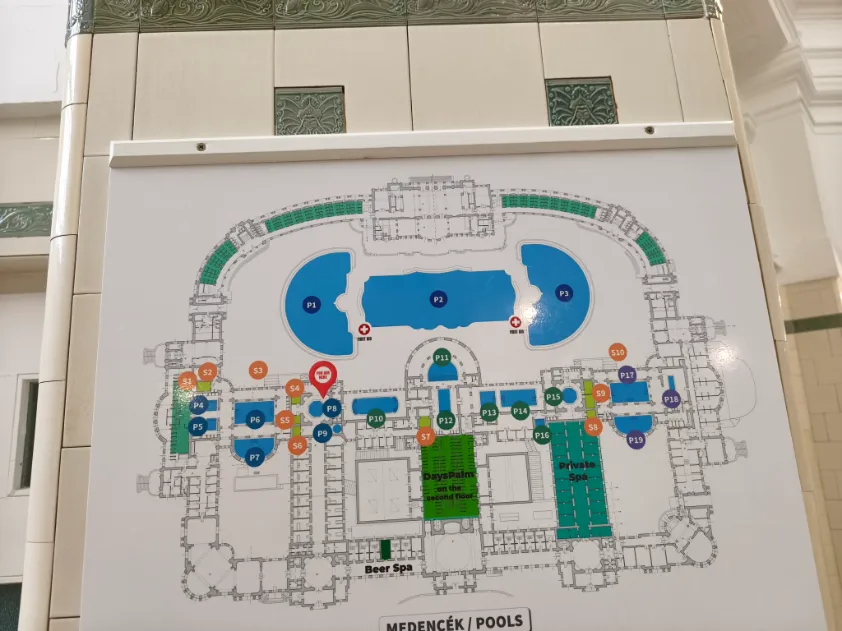
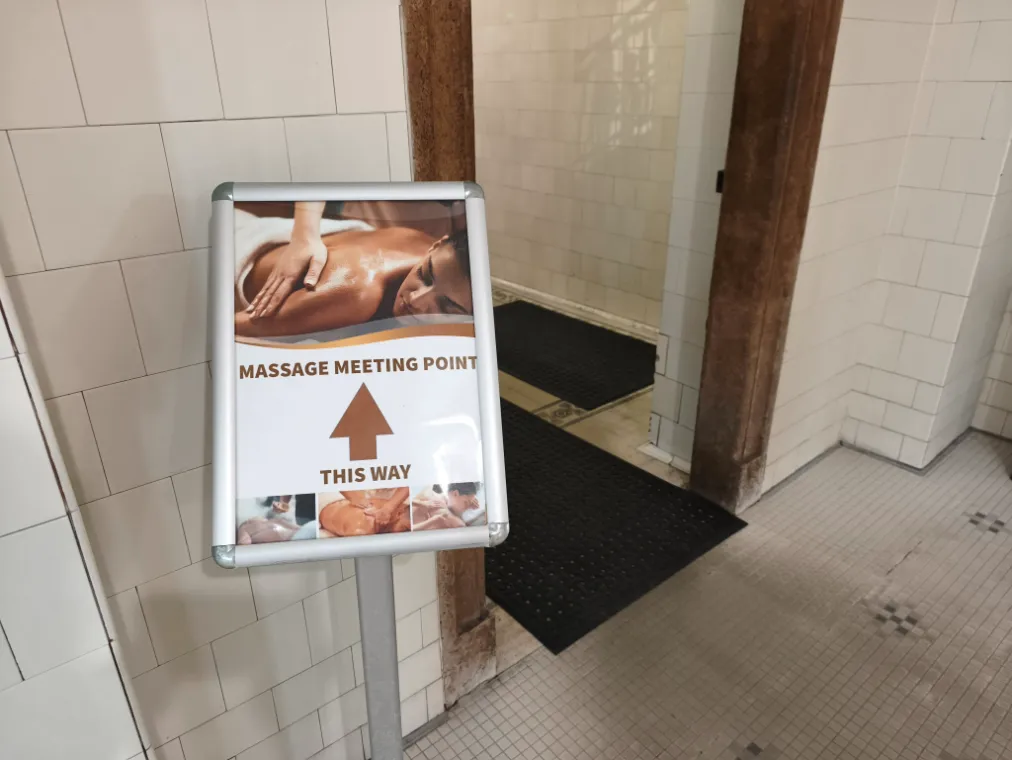
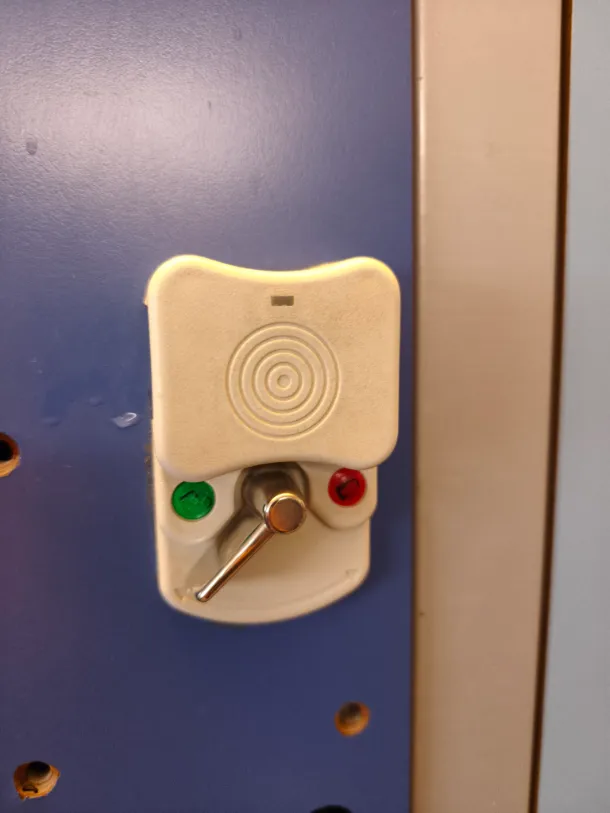
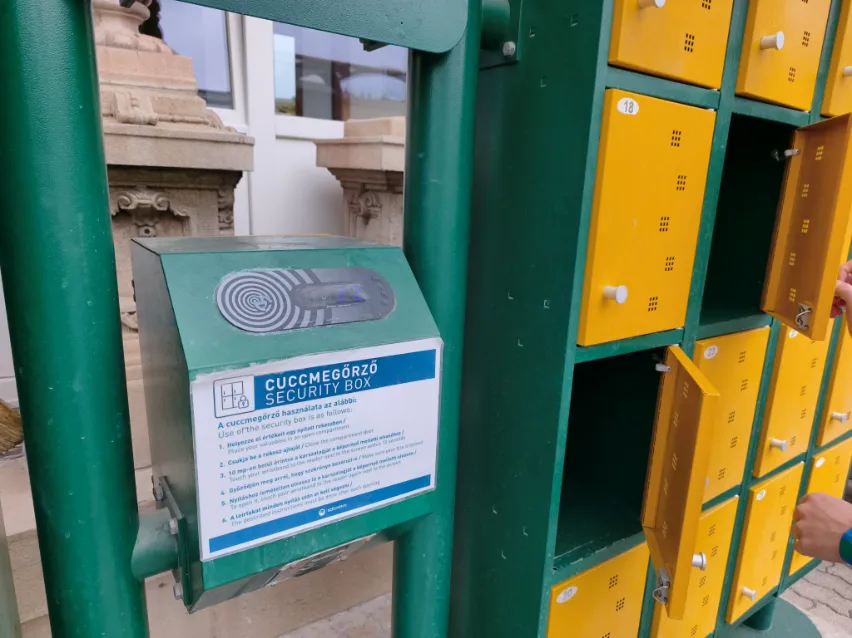
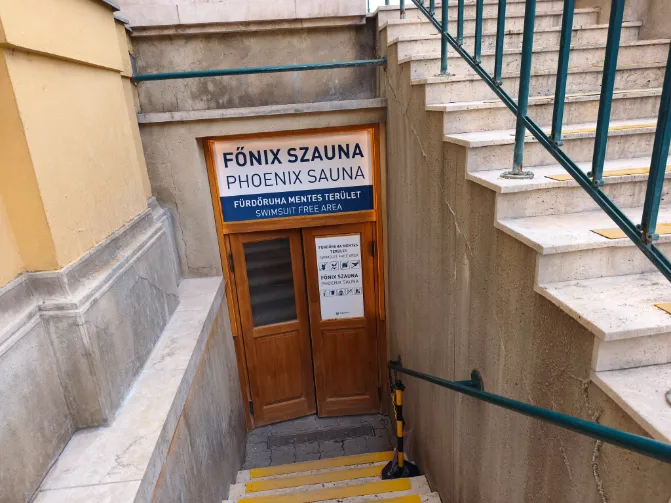
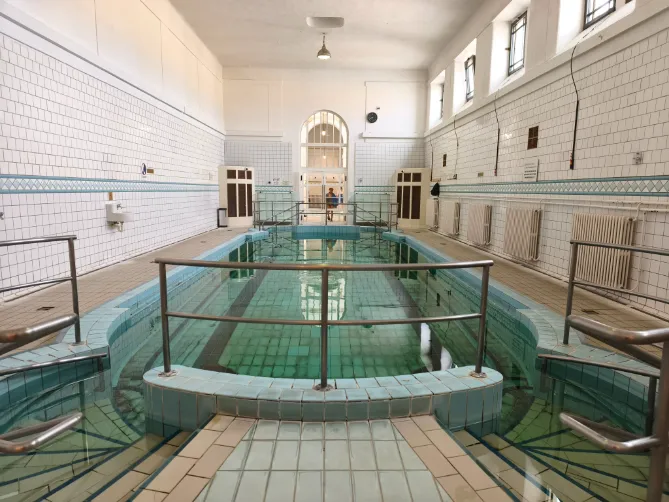
You can enjoy the full spectrum of thermal bathing in one go: outdoor lap and leisure swimming pools, a swirling adventure current pool, indoor medicinal pools, multiple dry and steam saunas with different aromatics, and brisk cold plunge or ice pools. You do not feel boxed into a single hot tub because there is always another room or temperature zone to explore.
In terms of scale, Széchenyi is one of the largest spa complexes in Europe, featuring 18 pools in total—3 large outdoor pools (kept between 27°C and 38°C) and 15 indoor pools ranging from 18°C to 38°C, alongside more than 10 saunas and steam chambers. It is conveniently reachable by metro, and finding it was effortless using Google Maps during my visit. Whether you prefer gentle warmth or intense heat followed by a freezing plunge, the layout gives you plenty of variety.
You also do not need to worry about storing your belongings. Every standard ticket includes access to electronic lockers in the changing and shower rooms. For extra convenience, there are even small public lockers with electronic keys right out by the outdoor swimming pool, so you do not have to walk all the way back to the main changing hall just to grab your phone for photos.
Free drinking water fountains are also available inside so you can stay hydrated between sauna rounds. And if you want add-on experiences, the complex offers spa massages, beer-bath packages, and a decent on-site café for snacks and drinks between soaks.
How Long Should I Stay Széchenyi
I spent a relaxed morning at Széchenyi for around 3 to 4 hours, which felt like the sweet spot for a first visit. I used the basic entrance ticket (the morning one is also the cheapest), meaning I did not add on unlimited beer packages or any private spa treatments.
Even with just standard entry, with 18 pools plus over 10 saunas and cold plunges to cycle through, I recommend budgeting a minimum of 3 hours. Once you factor in changing clothes, showering, walking between the outdoor courtyard and indoor halls, drying off, and taking photos, 2 hours disappears way too fast.
More importantly, this is the most unique attraction on earth where you can soak in hot mineral water surrounded by classic, colorful palace architecture—so there is no reason to rush yourself out the door. If you plan to book add-on massage sessions, a beer spa, or stay into an evening bath session, plan for closer to 4 to 5 hours.
Is Széchenyi Expensive?

According to the official Széchenyi Thermal Bath website, the baths open at 7:00 AM Monday through Friday (closing at 8:00 PM Monday–Thursday and 10:00 PM on Friday) and at 8:00 AM on Saturday and Sunday (closing at 8:00 PM). Arriving right after opening in the morning is easily the best way to enjoy the outdoor pools before midday tour groups pack the deck.
Although ticket prices vary depending on the day of the week, morning vs. full-day entry, and whether you pick a locker or a private cabin, all options are very reasonable—usually around USD 30 to 40 per person. Booking an through an OTA (GTG / Viator) is often cheaper and faster than lining up to buy on-site.
If you want to keep costs down and skip add-on rentals, that is completely fine—including skipping towel rental if you pack your own. I did the most basic option too.
However, sandals or flip-flops are a strict must (even disposable hotel slippers work), as footwear is compulsory around the wet decks for hygiene reasons. I also strongly recommend bringing a large towel from your hotel or hostel, towel is not mandatory but you need that for keeping warm and there is one particular pool requires you to bring the towel/
Conclusion: Is Széchenyi Thermal Bath Worth It?
Absolutely, it is 100% worth it. Personally, I already love onsen and thermal baths, yet objectively this is the only place across all 80+ countries I have visited that offers such a relaxing, comprehensive soak right in the middle of gigantic, colorful Neo-Baroque architecture. No matter how short your stay in Budapest is, make time for it—in fact, if you only have time for one single landmark in Budapest, skip the Parliament tour and go to Széchenyi instead.
Online Package Is Usually Cheaper GTG / Viator ✅
Make Sure You Don’t Miss It
If I had to pick one, Szechenyi is the only icons I would go in Budapest. I had a very good time there and I hope you could enjoy the same as well.
FAQ
How much is a Széchenyi Thermal Bath ticket?
Expect to pay roughly USD 30 to 40 depending on whether you visit on a weekday morning, weekend, or holiday, and whether you choose a standard locker or a private changing cabin.
Do I need to bring my own towel and flip-flops to Széchenyi?
Yes—flip-flops or sandals are mandatory for hygiene, and bringing your own large towel from your hotel saves you from paying high on-site rental fees when moving between indoor and outdoor pools.
How early should I arrive at Széchenyi Thermal Bath?
Arriving right when the doors open (7:00 AM on weekdays, 8:00 AM on weekends) gives you the quietest outdoor pool views and cleanest changing rooms before crowds build around late morning.
Is a locker or cabin better at Széchenyi?
For solo travelers or couples, a standard locker ticket is more than enough—and there are even small electronic lockers out by the outdoor pools for keeping your phone handy for photos.
How do I get to Széchenyi Thermal Bath?
The bath is conveniently reachable by taking the metro directly to the Széchenyi fürdő station, and it is very easy to navigate to using Google Maps.
