
How Many Days in Moldova? A First-Timer’s Travel Guide
EscapeWithAnnualLeave contains affiliate links. We may receive compensation at no extra cost to you. See our Disclosure Policy for more information.
How many days in Moldova for a first-time visit? This was the exact question I spent hours searching before embarking on my wider Eastern Europe trip. Tucked away between Romania and Ukraine, Moldova remains one of the least-visited countries on the continent, which means practical, real-world itinerary advice can be surprisingly tough to come by.
When I finally planned my route, I chose to stay for five days (mainly to leave 2 full days for Transnistria), though looking back, the absolute essentials could easily be squeezed into three.
Nestled in Eastern Europe, Moldova is a hidden gem defined by rolling green hills, a deeply rooted winemaking heritage that rivals the best cellars in Western Europe, and a complex geopolitical history (with the most accessible “ghost Country”) that feels completely frozen in time. While three days is the bare minimum to cover the iconic sights, five days is the most ideal duration if you want to enjoy your stay without feeling rushed—especially since most travelers don’t typically return for a second visit anytime soon. To help you structure your trip, I’ve broken down the ideal itinerary into three distinct parts.
🚍🚍🚍 One Day Tour For Transnistria Is Also Available! ✅
The Best Experiance In Moldova
If you have limited time in Moldova, then instead of navigating the bus route yourself. The more optimal option should be taking an organized day tour from Chisinau to Transnistria instead of going on your own.
Part 1: Things To Do In Chisinau City Center (Budget 0.5 to 1 Day)
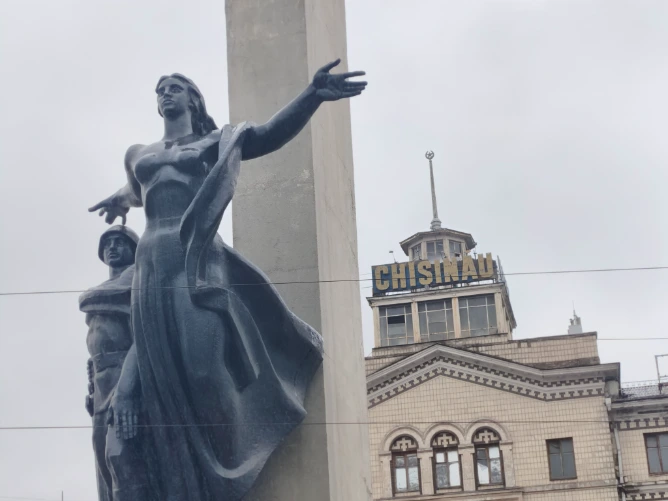
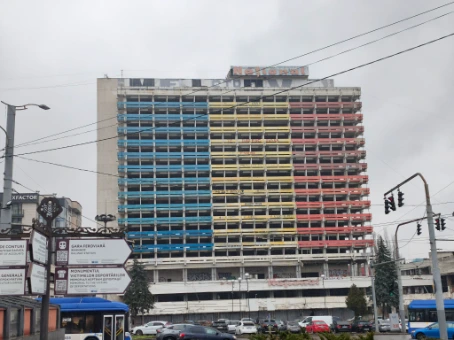
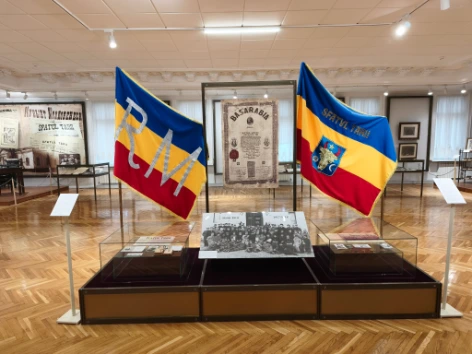
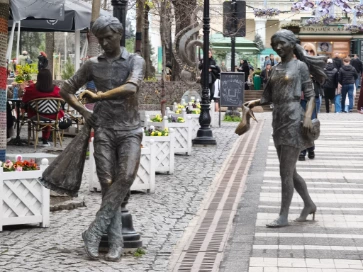
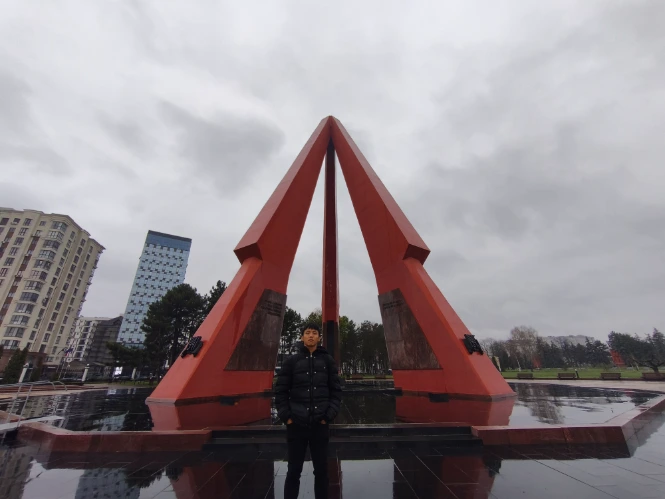
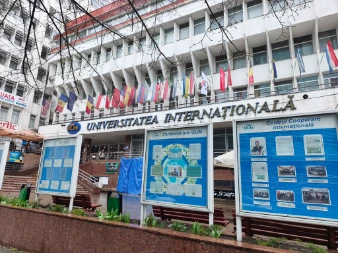
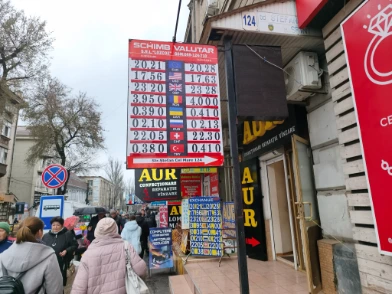
Your journey will almost certainly start in Chisinau, Moldova’s leafy and surprisingly relaxed capital. The city center is compact, unassuming, and incredibly easy to navigate on foot or via public transport.
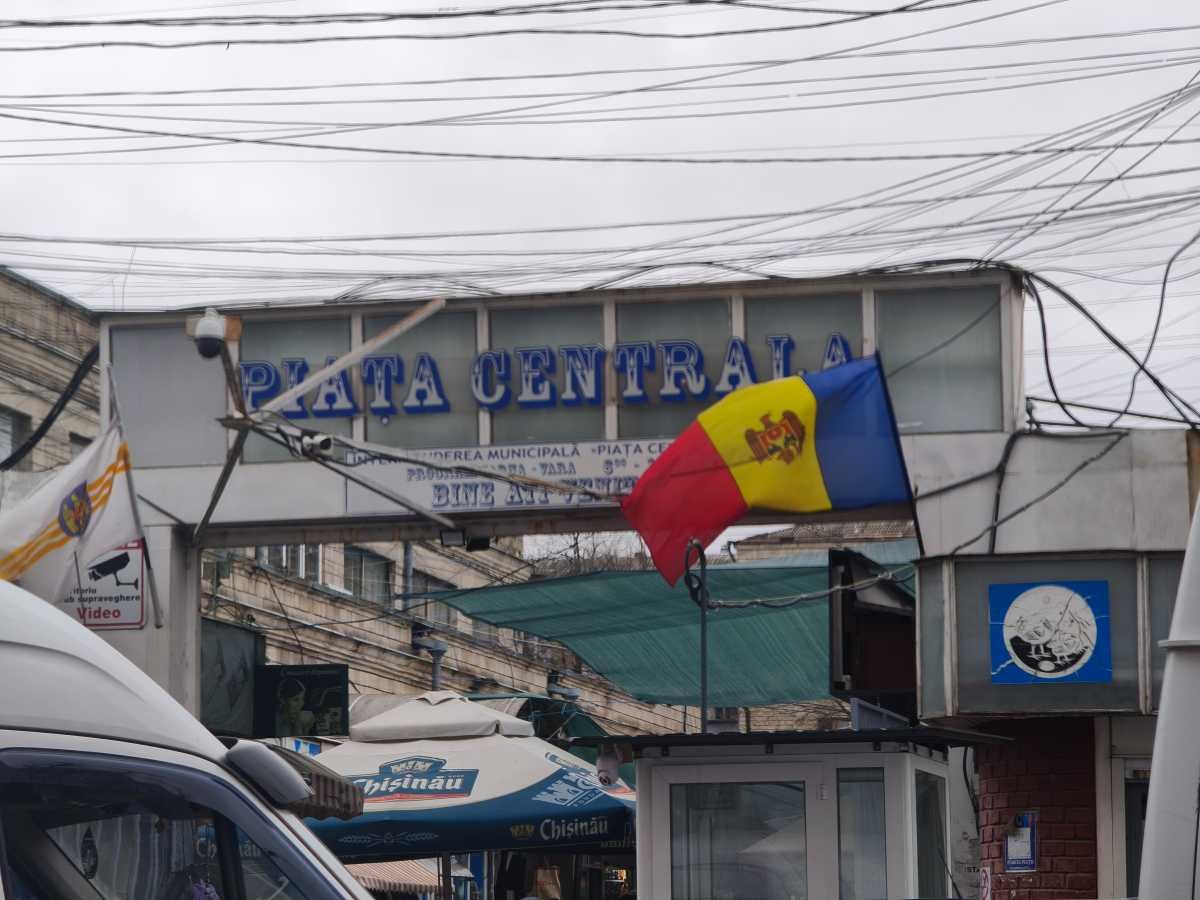
Some of the most iconic landmarks are clustered along the main boulevard, Boulevard Ștefan cel Mare și Sfânt. Here, you will find the grand Nativity Cathedral, the central Triumphal Arch (Arcul de Triumf), the Parliament building, and the peaceful Stefan cel Mare Park. To get a taste of local daily life, take a stroll through the bustling Central Market (Piața Centrală)—a sprawling open-air grid packed with fresh produce, regional cheeses, and Soviet nostalgia.
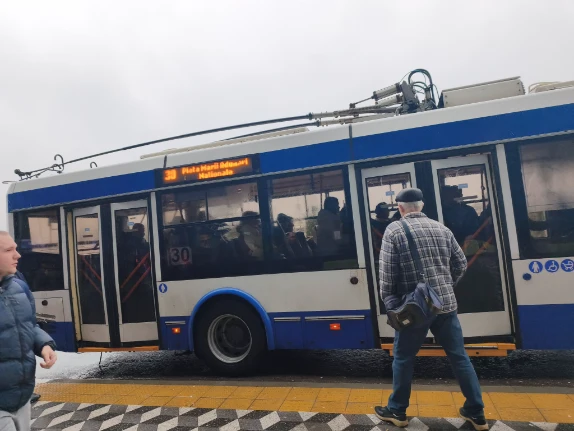
It doesn’t take a lot of time to cover all these destinations. For farther destinations like the internal fame, you can take a city bus for 6 MDL (~0.33 USD) cash only. The bus schedule is roughly consistent with Google Maps suggestions. Also, the currency exchange shop is everywhere, so it should be easy to adapt once you get to the city center from the airport.
Part 2: The Transnistria Visit (Budget 1 to 2 Days)
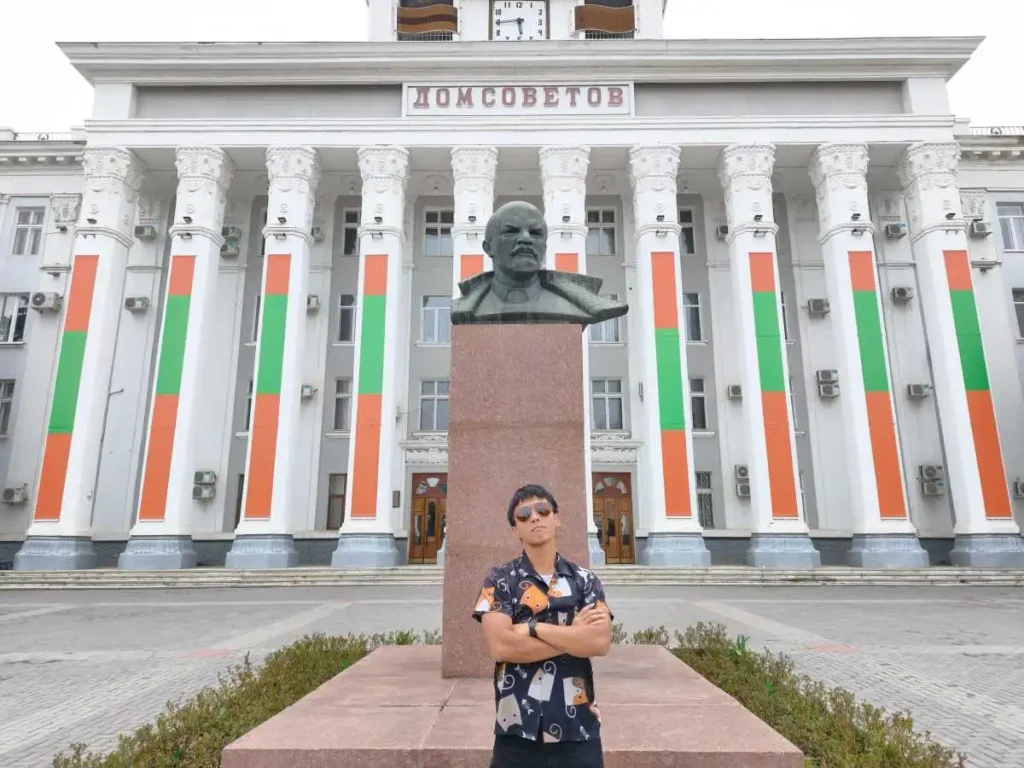
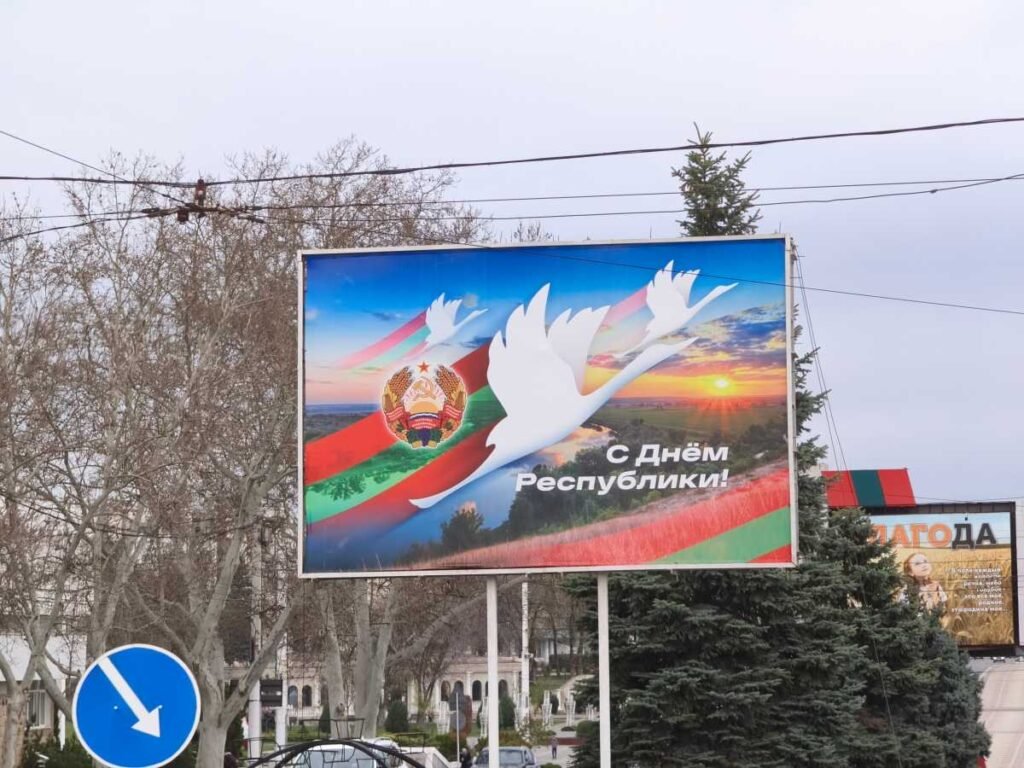
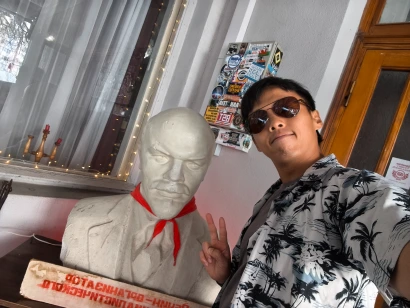
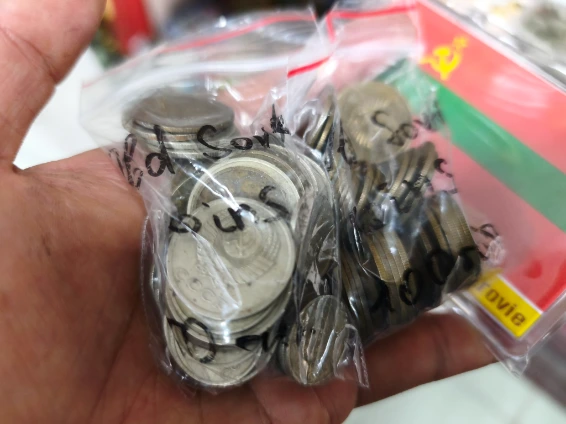
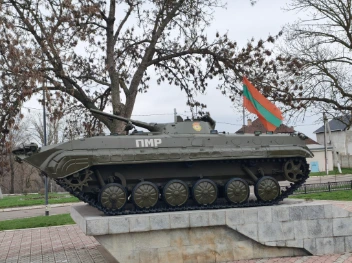
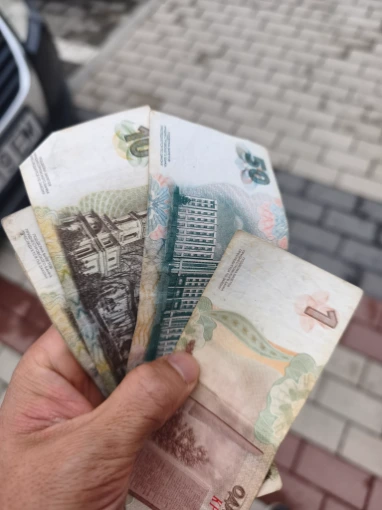
To be completely honest, the primary reason I wanted to visit Moldova in the first place was to cross the border into Transnistria—a breakaway, unrecognized state tucked along the eastern border with Ukraine. I assumed you did too. Stepping into Transnistria feels like walking straight into a Soviet time capsule.
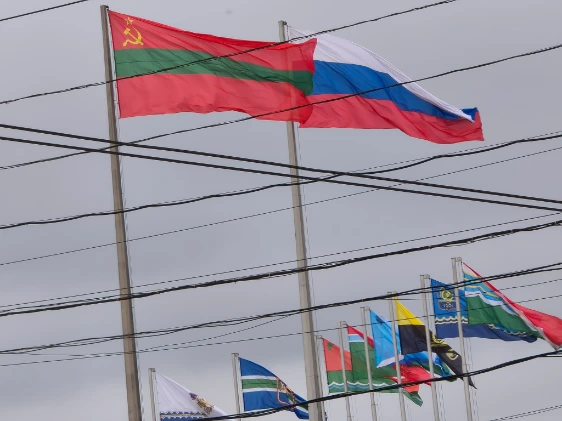
Following a brief military conflict in the early 1990s after the fall of the USSR, this narrow strip of land declared independence. While no member of the United Nations officially recognizes its sovereignty, Transnistria operates as a fully functioning de facto country. It maintains its own physical borders, issues its own passport stamps, fields its own military, flies red flags adorned with the hammer and sickle, and even prints its own currency (the Transnistrian Ruble, complete with plastic coins!). For the information you should know before the visit, go visit my another blog post for pre-trip preparation.
The most visited destinations in this breakaway territory are Bender and the capital, Tiraspol. In Bender, the impressive 16th-century Ottoman fortress stands as a historical centerpiece. In Tiraspol, wide avenues are lined with brutalist Soviet architecture, statues of Vladimir Lenin, and war memorials displaying WWII tanks.
I chose to stay overnight in Transnistria for two full days to truly soak in the unique, surreal atmosphere of this time warp. It is also very easy get to the Country by bus from Chisinau Central station. However, if you are short on time, you can comfortably visit this “country that doesn’t exist” as a day trip. You can either take a local minibus on your own or join an organized excursion.
Part 3: Join A Day Trip From Chisinau (Budget 1 to 2 Days)
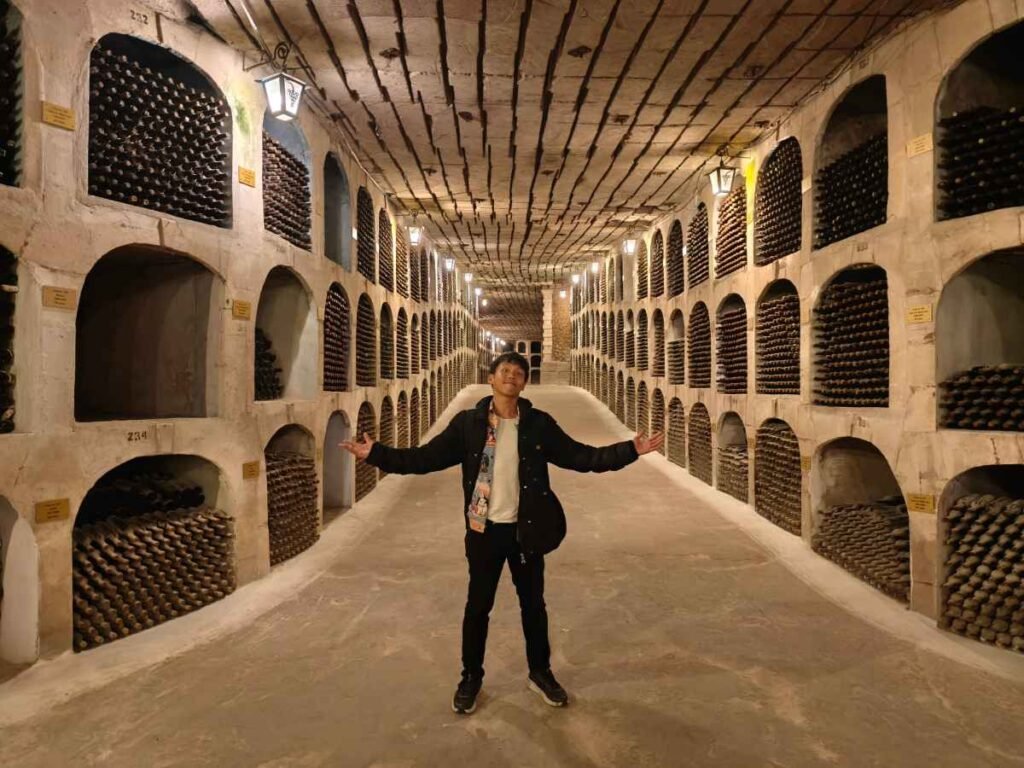
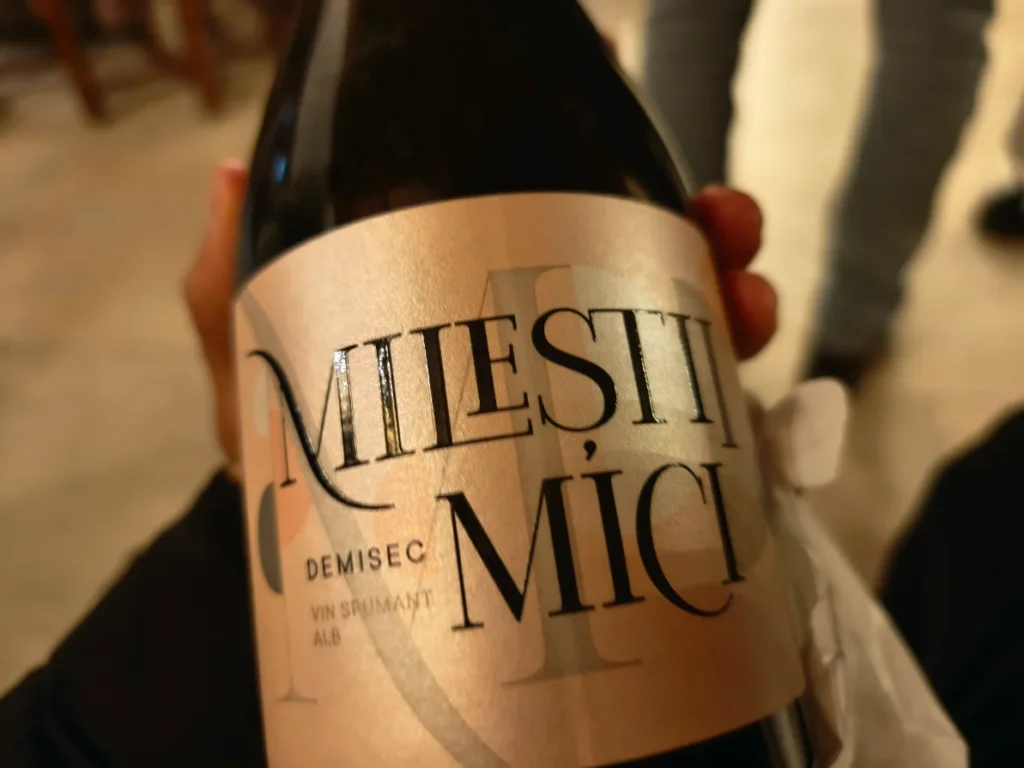
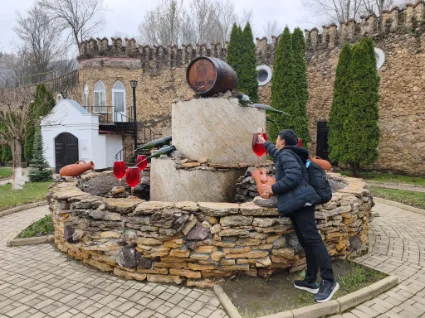
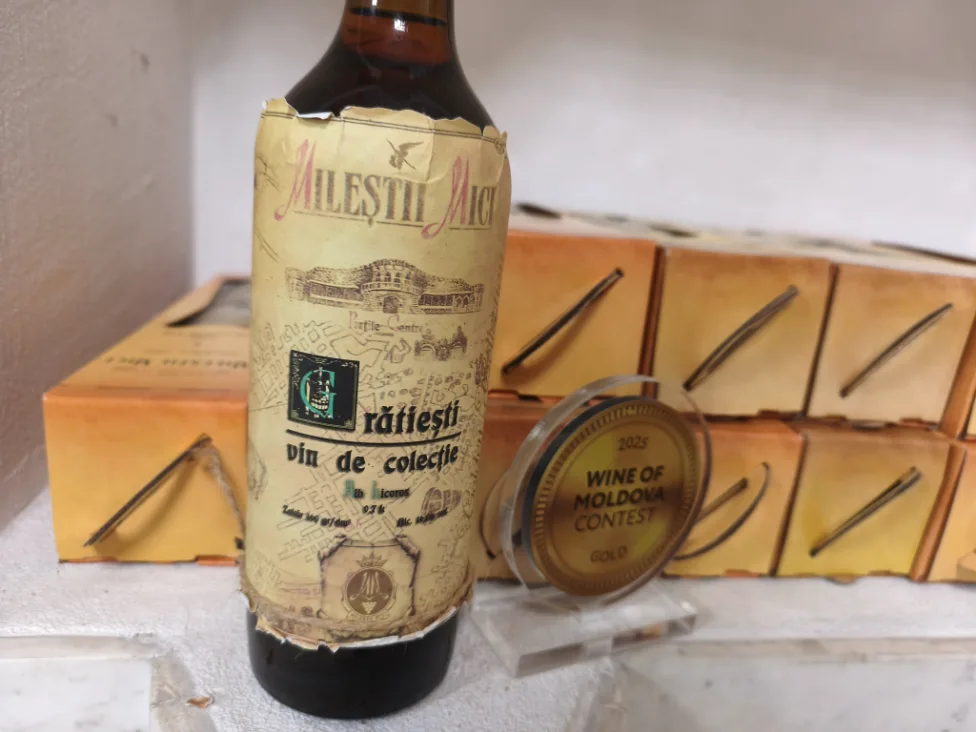
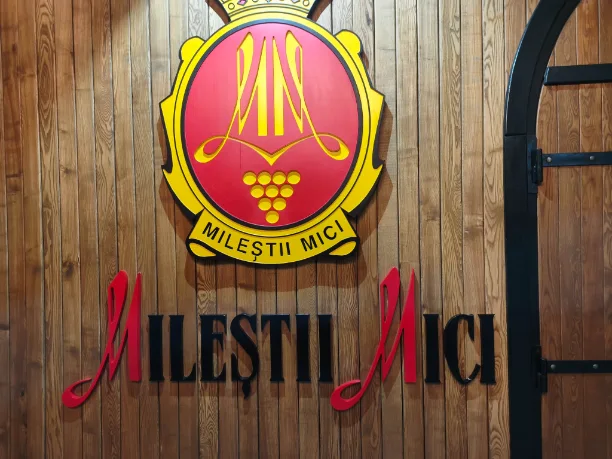
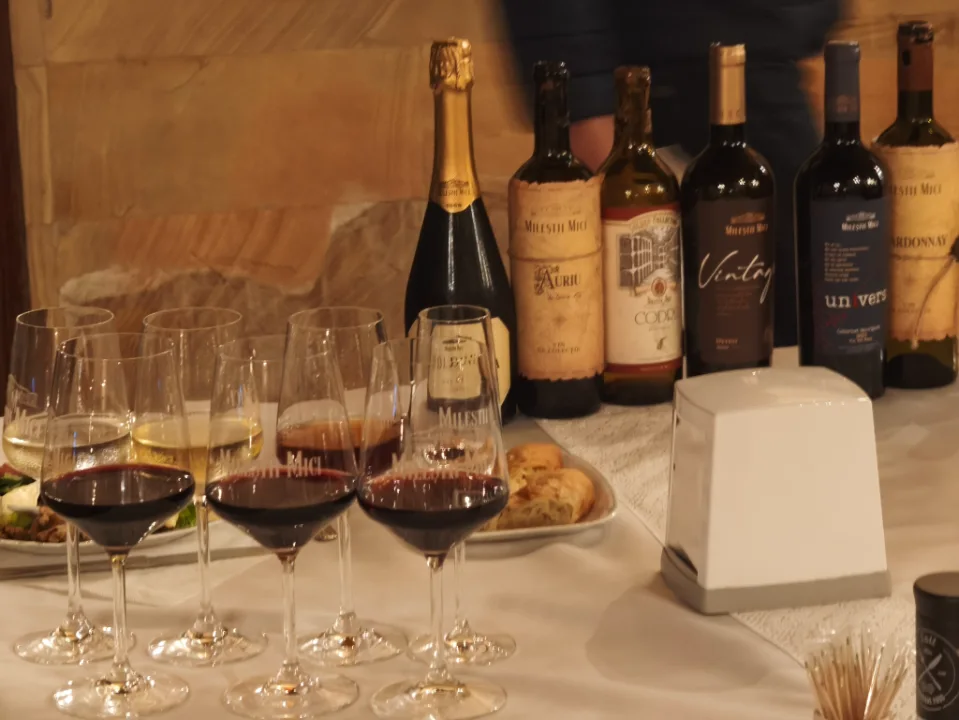
Once you’ve explored the capital and Transnistria, dedicate your remaining days to exploring outer-city destinations. Moldova is world-renowned for its wine culture, and no itinerary is complete without visiting at least one underground cellar.
Option A: The World-Class Wineries
Moldova holds two extraordinary winemaking records. Mileștii Mici is officially recognized by Guinness World Records as the largest wine cellar in the world by bottle count, housing over two million bottles in an underground limestone network stretching over 200 kilometers. Meanwhile, nearby Cricova is famous for its vast subterranean tunnels that function like an underground city, complete with street signs, traffic rules, and tasting halls used by visiting dignitaries.
During my visit, I opted to tackle the journey to Mileștii Mici independently using local buses. While it turned out to be an amusing and rewarding budget adventure, navigating rural transport schedules on the return leg proved a bit unpredictable.
Option B: Explore Gagauzia
Alternatively, you can pick a day trip to Gagauzia, an autonomous territorial unit in the southern region of Moldova populated by the Gagauz people—a Turkic ethnic group who speak a Turkic language but primarily practice Orthodox Christianity.
Visiting the regional capital of Comrat seems fascinating on paper, but I saw mixed reviews online regarding tourist infrastructure. Given that I had already spent two intensive days exploring the Soviet remnants in Transnistria, I decided to skip Gagauzia during my stay to keep a balanced pace. However, if you have a full 5-day window, it remains an intriguing cultural detour.
Is Moldova Worth Visiting?
Despite being one of the least-known and least-visited destinations in Europe, Moldova is a remarkably special country that offers a fascinating mix of traditional European charm and living Soviet history.
I absolutely loved my time exploring Transnistria—it remains one of the most memorable travel experiences across all my European journeys. Combined with the walkable capital of Chisinau and the world-record subterranean cellars, Moldova delivered a truly unique adventure. If you are looking to step off the worn tourist trail, spending 3 to 5 days here is an absolute must.
Frequently Asked Questions
- Is Moldova safe for solo first-time travelers?
Yes, Moldova is generally very safe for international tourists, including solo travelers. Violent crime rates are low, though standard travel precautions against petty theft or scams should always be taken in crowded areas like the Central Market in Chisinau.
- Can I visit Transnistria without a special visa?
Most foreign passport holders (including EU, US, UK, and Commonwealth citizens) do not need an advance visa to enter Transnistria for short visits. You will receive a temporary paper entry slip at the border checkpoint, which you must keep safe until you exit.
- Do people speak English in Moldova?
Romanian is the official language of Moldova, and Russian is widely spoken across the country (and predominant in Transnistria). English is increasingly spoken by younger generations and hospitality staff in Chisinau, but having a translation app downloaded offline is highly recommended for rural areas.
- What is the best time of year to visit Moldova?
May through October is the ideal window to visit Moldova. Autumn (September to October) is particularly festive due to the annual grape harvest, milder temperatures, and the national Wine Day celebrations held in Chisinau.
- How do I pay for things in Moldova and Transnistria?
Moldova uses the Moldovan Leu (MDL), where credit cards are widely accepted in Chisinau cities and restaurants. Transnistria uses its own currency, the Transnistrian Ruble (PRB), which cannot be obtained outside the territory. You must bring physical Euro, US Dollars, or Moldovan Leu in cash to exchange at border towns or exchange booths in Tiraspol.
